
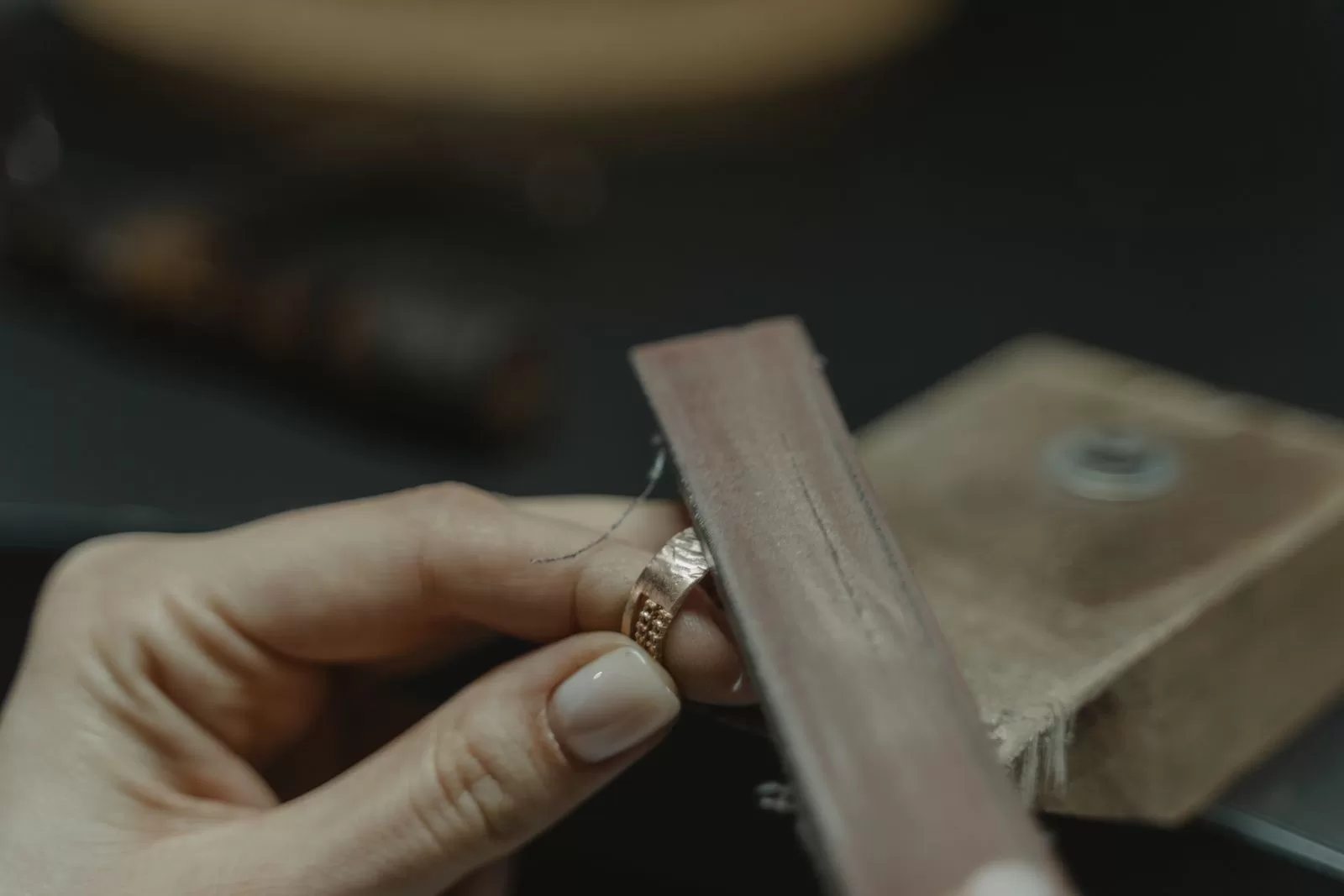

Even after a thorough clean, a gold Cuban link that has been worn for a long time can lose some of its mirror shine. Fine surface scratches from everyday wear scatter light and give the chain a softer, slightly hazy look. Polishing removes or smooths those scratches and brings back the bright, reflective finish that makes Cuban links stand out.
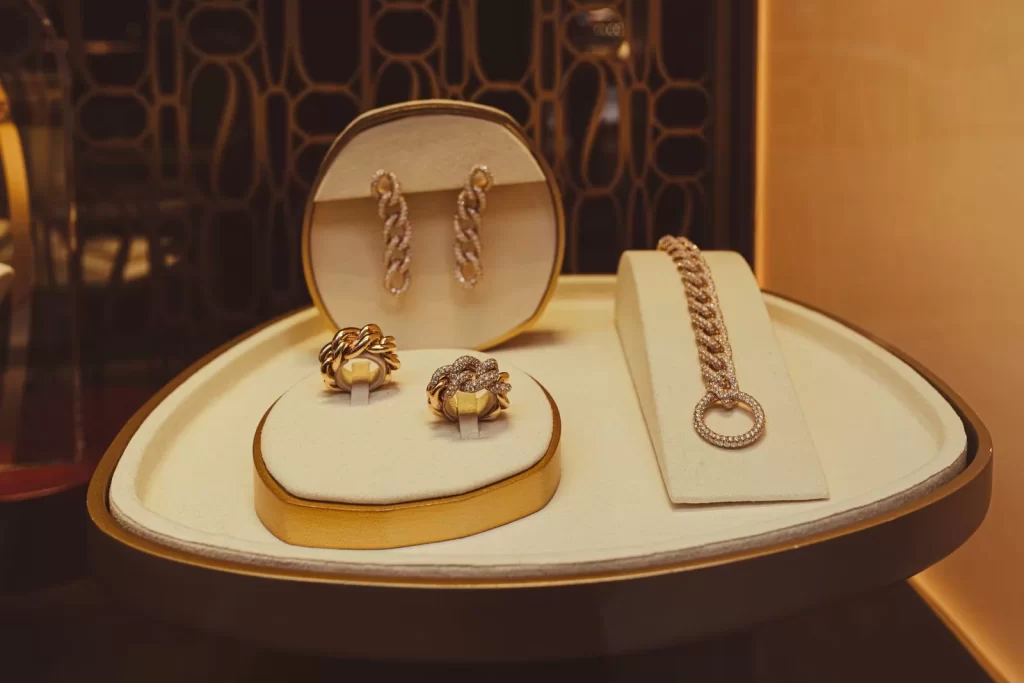
Key takeaways
- Always clean the chain before polishing; polishing a dirty chain grinds dirt into the surface.
- A two-sided jewelry polishing cloth is the safest way to polish solid gold at home.
- Polish along the links with light pressure, not in hard circles.
- Do not use polishing cloths or compounds on plated chains; they can remove the gold layer.
- Professional polishing restores deeper scratches but removes a tiny amount of metal each time.
Cleaning versus polishing
Cleaning removes dirt, oils and residue from the surface. Polishing works on the metal itself, smoothing out fine scratches to restore shine. A chain that looks dull because it is dirty needs cleaning. A chain that looks dull even when clean needs polishing. Most of the time, cleaning alone is enough.
Step 1: clean first
Soak the chain in warm water with a few drops of mild dish soap for 15 to 20 minutes. Brush gently with a soft toothbrush, rinse and dry thoroughly. Any dirt left on the chain can scratch it during polishing.
Step 2: choose the right cloth
Jewelry polishing cloths often have two layers: an inner layer treated with a fine polishing compound and an outer layer for buffing. Choose a cloth designed for gold. Silver polishing cloths can be slightly more abrasive and some contain chemicals unsuitable for gold. Microfiber cloths without compound are good for light buffing but do not remove scratches.
Step 3: polish gently
- Lay the chain on a soft, flat surface or hold one end.
- Fold the treated side of the cloth around a section of the chain.
- Pull the chain gently through the cloth, along the direction of the links, with light pressure.
- Work section by section along the whole length, including both sides.
- Pay attention to the clasp and the outer surfaces, which show the most wear.
Do not press hard or rub in tight circles. Cuban links have many edges and surfaces; gentle, consistent strokes give the best result.
Step 4: buff
Switch to the buffing side of the cloth, or a clean microfiber cloth, and repeat the process to remove any residue and bring up the shine.
Step 5: inspect
Look at the chain under good light. Fine scratches should be reduced and the shine improved. Deeper scratches and dents will not disappear with a cloth; they need professional work.
Diamond-cut Cubans
Diamond-cut Cuban links have faceted surfaces that sparkle. Polish them lightly, as heavy polishing can round off the crisp edges of the cuts over time. A gentle buff is usually enough to restore their sparkle.
White gold
White gold is usually rhodium plated. Polishing cloths with compound can wear the rhodium. Use a plain microfiber cloth for light buffing, and have a jeweler re-plate the chain when the yellowish tone of the alloy starts to show.
Plated, vermeil and gold-filled chains
Avoid polishing compounds on plated and vermeil chains. The gold layer is thin and polishing can wear through it. Gold-filled chains have a thicker layer and tolerate gentle polishing better, but light buffing with a soft cloth is still safest.
Iced chains
Polishing cloths can snag on prongs and settings. Clean iced chains with soap and water and a soft brush, then buff only the plain metal areas gently. Leave deeper polishing to a jeweler, who can also check that stones are secure.
Things to avoid
- Toothpaste: too abrasive; it scratches gold.
- Baking soda pastes: also abrasive.
- Metal polishes for brass or chrome: can contain harsh chemicals and abrasives.
- Rotary tools at home: can quickly remove too much metal and damage links.
- Over-polishing: every polish removes a microscopic amount of gold.
Professional polishing
Jewelers use polishing wheels and compounds to remove deeper scratches and restore a factory-like finish. A professional polish can make an old chain look almost new. It does remove a very small amount of metal each time, so it is best done occasionally, perhaps once every year or two for daily-wear chains, rather than frequently. Ask the jeweler to check the clasp and links at the same time.
How often to polish
- Light cloth buffing: whenever the chain looks less shiny after cleaning, perhaps every few weeks to months.
- Professional polish: every one to two years, or before a special occasion.
Keeping the shine longer
- Wipe the chain after wearing.
- Store chains separately to prevent scratches.
- Take chains off for activities that cause friction or contact with hard surfaces.
- Avoid chemicals, chlorine and cosmetics.
Satin and brushed finishes
Some Cuban links have a satin or brushed finish on purpose. Polishing these with a cloth can create shiny patches and spoil the even matte look. Clean them with soap and water only, and ask a jeweler to refinish them if needed; they can re-create the brushed texture with the right tools.
Polishing before selling or gifting
If you plan to sell, trade or pass on a chain, a professional clean and polish makes a strong first impression and lets the buyer or recipient see the chain at its best. For selling to a gold buyer who pays melt value, polishing will not raise the price, so a simple clean is enough. For private sales and gifts, the extra shine is worth it.
Shopping for a chain?
Compare current prices, weights and reviews for gold polishing cloth options on Amazon. Always check the stated karat, construction and gram weight before you buy.
Frequently asked questions
Can I polish my chain every week?
Light buffing with a soft cloth is fine. Polishing with compound every week is unnecessary and slowly removes metal.
Will polishing remove deep scratches?
Not with a cloth. Deep scratches need professional polishing.
Can a polishing cloth damage gold plating?
Yes. Treated cloths can wear through thin gold layers. Use a plain soft cloth on plated chains.
Why does my chain look hazy after polishing?
Residue from the polishing compound may remain. Buff with a clean microfiber cloth, or rinse and dry the chain.
