
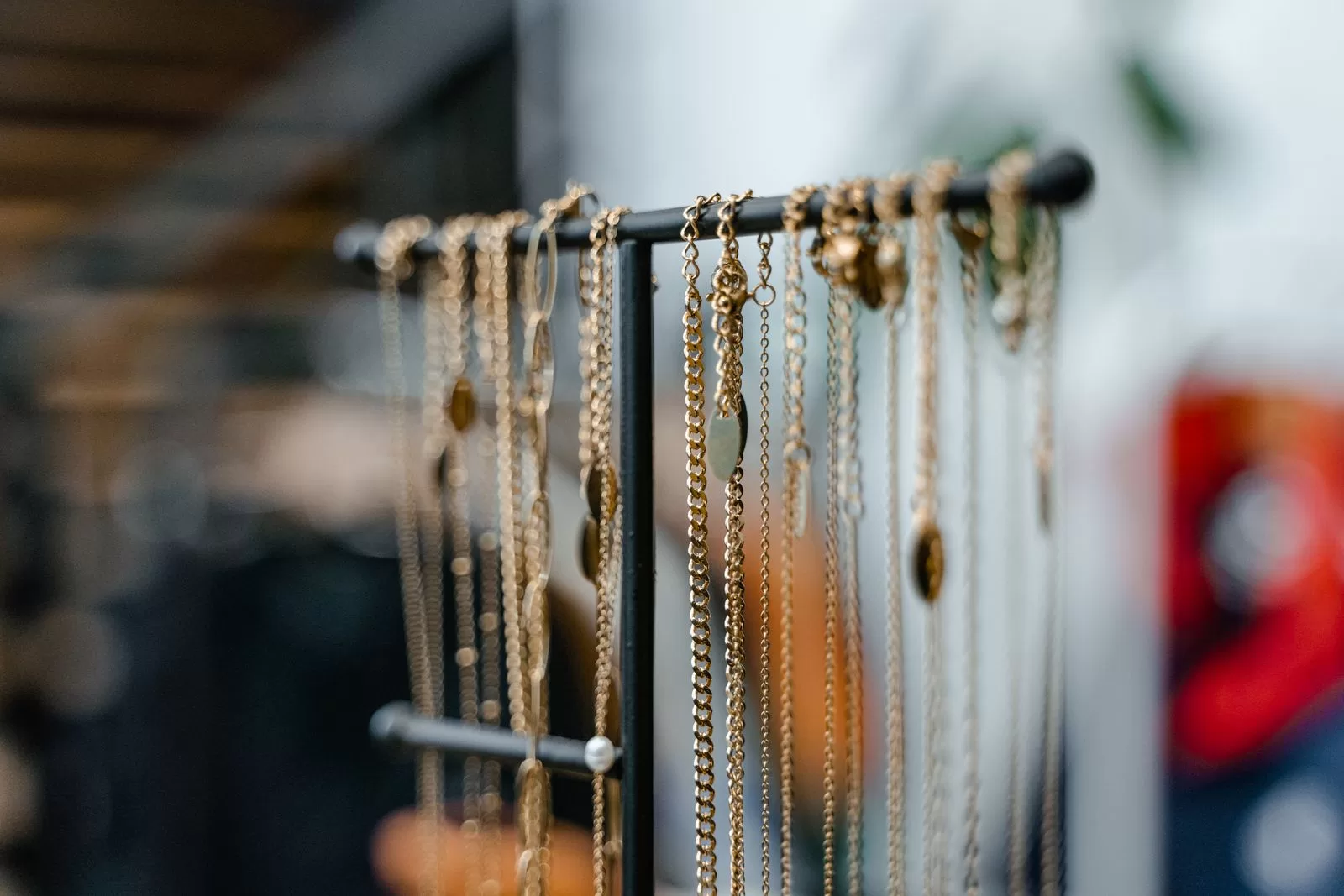

A Cuban link chain looks simple. It is a row of rounded oval links, twisted so they lie flat and lock tightly against each other. But two chains that look almost the same in a photo can be worth very different amounts, wear very differently and last very different lengths of time. The difference sits in details most buyers never think to check.
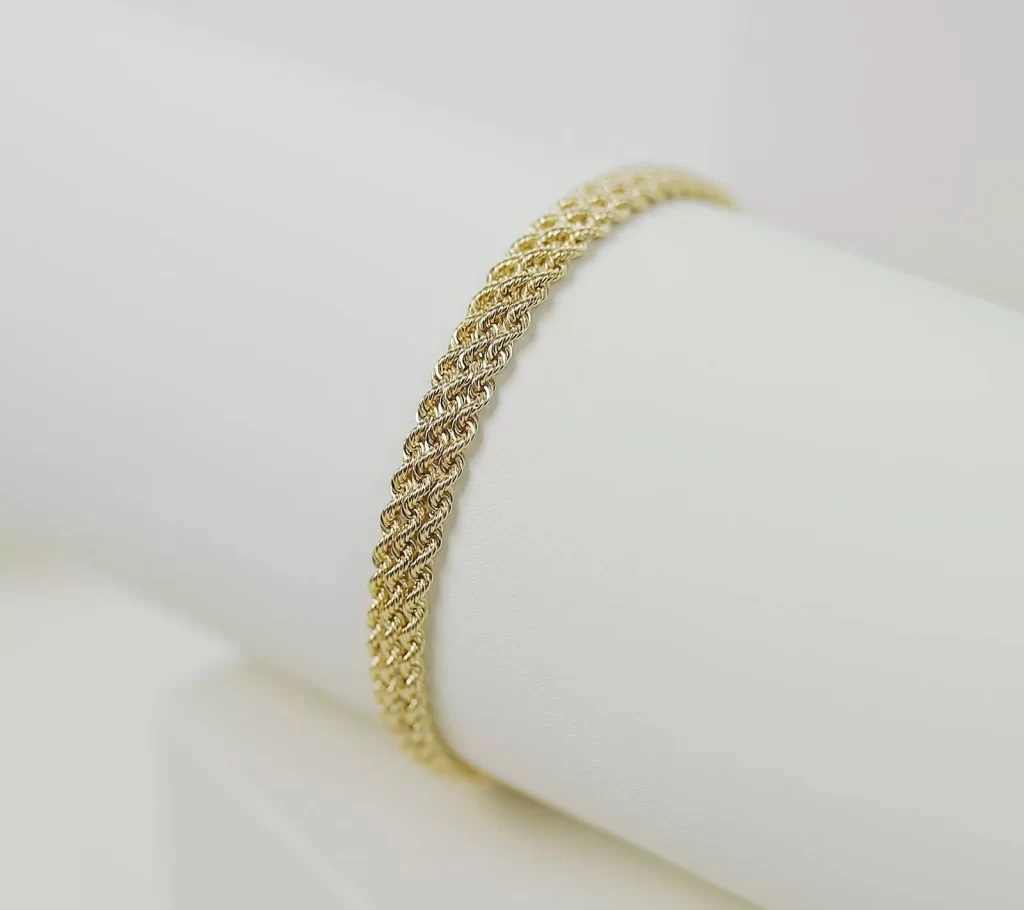
This guide walks through those details in the order that matters. If you only have five minutes before you buy, skim the headings. If you have more, read the whole thing, because each section answers a question that sellers are not always eager to answer for you.
Start with the metal, not the look
The first question is what the chain is actually made of. “Gold Cuban link chain” can describe four quite different products:
- Solid gold: the link itself is gold alloy all the way through, usually 10K, 14K or 18K.
- Gold filled: a thick layer of gold bonded to a brass core. It wears well for years but is not solid gold.
- Gold plated or vermeil: a thin gold layer over brass, steel or silver. It looks right on day one and wears through with time.
- Gold-tone stainless steel: steel with a gold-colored coating. Durable and cheap, but the color is a coating, not gold.
None of these is “wrong”. A plated chain is a fine choice for a costume look or for trying a width before spending real money. The problem only starts when a plated chain is sold at something close to a solid gold price, or when the listing is vague enough that you assume solid gold when it is not. If the description does not state the karat and the word “solid”, treat it as plated until proven otherwise.
Choose the karat that fits how you live
Karat tells you how much of the alloy is pure gold. 24K is essentially pure. 18K is 75% gold, 14K is about 58.5% and 10K is about 41.7%. The rest is usually silver, copper and zinc, which add hardness and change the color slightly.
For a chain you plan to wear every day, 14K is the most common recommendation. It has a rich yellow color, it is hard enough to resist scratches and dents reasonably well, and it costs noticeably less than 18K. 10K is harder still and the cheapest solid option, with a slightly paler color. 18K looks deeper and warmer but is softer, so a heavy 18K chain worn daily will show wear sooner. Pure 24K is too soft for most chain designs, and Cuban links in 24K are rare.
Check how the chain is built: solid, hollow or semi-solid
This is the detail that catches most first-time buyers. A Cuban link can be:
- Solid: every link is filled metal. Heaviest, strongest and most expensive for a given width.
- Hollow: each link is a tube of gold with air inside. It looks just as wide but weighs and costs far less. The downside is that hollow links dent easily and are hard to repair once crushed.
- Semi-solid: a middle ground with thinner walls than solid but not fully hollow.
A simple test when shopping: compare weight against width. If a 10mm chain weighs almost nothing, it is hollow, whatever the listing says. We cover this in more detail in our guide to solid vs hollow Cuban links, but the short version is that a hollow chain is a sensible budget choice only if you accept that it is more delicate.
Pick the width for the look you want
Width is measured in millimetres across a single link. Roughly:
- 3–5mm: subtle and easy to wear every day, works under a collar and alone or layered.
- 6–9mm: the classic everyday Cuban look. Noticeable without being loud.
- 10–14mm: a statement chain. Very visible, and much heavier in solid gold.
- 15mm and up: bold, heavy and expensive in solid gold. Often chosen in hollow or plated form.
Your build matters too. A 12mm chain on a slim neck reads as very heavy; on a broad neck and shoulders it can look proportionate. If you are unsure, start one step narrower than you think you want. Most people who regret a width went too wide, not too thin.
Get the length right
Common lengths run from 16 to 30 inches. On an average adult neck, 18 inches sits around the collarbone, 20 inches falls just below it, 22 inches reaches the upper chest and 24 inches sits lower on the chest. Wider chains feel shorter because the links take up more room around the neck, so if you go above about 10mm, consider adding an inch.
The easiest way to choose is to take a piece of string, lay it around your neck to where you want the chain to sit, and measure it. Our length guide goes through this step by step.
Look closely at the clasp
The clasp is the part most likely to fail, and on a heavy chain a failed clasp means losing an expensive piece of jewelry. For wider Cuban links, a box clasp with one or two side safety latches is the standard and the most secure option. Lighter chains often use a lobster claw, which is fine for thin widths but not ideal on a heavy chain. Check that the clasp is the same metal and karat as the chain, that it closes with a firm click, and that the safety latches lock independently.
Ask for the weight in grams
For a solid gold chain, weight is the clearest single measure of how much gold you are paying for. Two 8mm, 22-inch 14K chains can differ by many grams depending on how tightly the links are made and whether they are solid. Reputable sellers state the weight. If a seller will not tell you, that is a reason to walk away.
Once you know the weight, you can sanity-check the price. Take the day’s gold price, multiply by the gold content of the karat and by the weight, and you have the raw metal value. Retail prices are always higher because of labour, design and the seller’s margin, but if the asking price is somehow below metal value, something is wrong.
Inspect the finish and the links
A well-made Cuban link lies flat. When you hold it up by one end, it should hang straight without twisting, and the links should sit tight against each other with no visible gaps. Run it through your fingers: it should feel smooth, with no sharp edges or rough solder joints. Many Cuban links are “diamond cut” on the edges to add sparkle; the cuts should be even along the whole length.
If you are buying in person, look at the links under good light. Uneven link sizes, wavy edges or a chain that kinks when you lay it down suggest weaker quality control.
Questions to ask any seller
- Is the chain solid, semi-solid or hollow?
- What is the karat, and is it stamped on the chain or clasp?
- What is the exact weight in grams?
- What is the return policy, and is there a warranty on the clasp?
- Is it handmade or machine-made, and where was it made?
- Can I get it resized or repaired through you later?
A good jeweler answers all of these without hesitation. Vague answers, or a reluctance to state weight and karat, tell you most of what you need to know.
Shopping on Amazon and other marketplaces
Marketplaces carry everything from inexpensive gold-tone steel chains to genuine 14K solid pieces. If you shop there, filter by the metal type first, read the listing for the words “solid” and the karat, and check reviews that mention weight and stamps. For plated or steel chains, marketplaces are often the best value. For an expensive solid gold chain, buy from a seller that clearly states weight and offers an easy return.
A quick checklist before you pay
- Metal confirmed: solid gold, gold filled, plated or steel?
- Karat stated and stamped.
- Construction: solid, semi-solid or hollow.
- Width chosen to suit your build and style.
- Length measured with string, adding an inch for wide chains.
- Secure clasp, ideally a box clasp with safety latches on wider chains.
- Weight in grams provided and price compared with metal value.
- Return policy and warranty understood.
Work through that list and you will avoid the most common mistakes people make with Cuban link chains. The rest comes down to taste, and that is the fun part.
Shopping for a chain?
Compare current prices, weights and reviews for gold cuban link chain options on Amazon. Always check the stated karat, construction and gram weight before you buy.
